

🚜 Klarenbach Ag News Daily (KAND)
Happy Tuesday! Grab your coffee, wipe the dust off your boots, and let’s talk grain. The sun is blazing, the bins are waiting, and the markets are moving faster than a jackrabbit on the Trans-Canada. Today, we’re looking at a bone-dry US Midwest, some surprisingly speedy scientists, and a history lesson in agricultural piracy that makes Blackbeard look like an amateur.
📊 KAND Quick Stats
Commodity | Price | Daily Vibe |
Canola (Nov Futures) | $645.20 / MT | 📈 Up on global oilseed tightness |
Chicago Wheat | $6.85 / bu | 📈 Spiking hard (thanks, dry weather) |
Alberta Live Cattle | $252.00 / cwt | 📈 Holding strong like a steel fence |
Diesel (Farm Bulk) | $1.28 / L | 📉 Slightly cheaper (we'll take it) |
The Loonie (CAD/USD) | $0.732 | 📉 Weak buck = good news for exports |
🌾 Story 1: The Big Bin
The US Midwest is Baking—And Your Grain Bins Are Paying Attention
What happened: The U.S. Midwest is currently trapped in a record-breaking drought that has been dragging on since last autumn. Over 60% of the continental US is officially under moderate drought or worse. Down in southwest Kansas, some areas have gone over 200 days without seeing more than half an inch of rain.
Why it happened: Old man winter forgot the snowpack, and spring didn't bring the showers. To make matters worse, a brutal mix of extreme heat and spring freezes has absolutely pulverized the US winter wheat crop. The USDA is forecasting a mind-boggling 32% abandonment rate for winter wheat this year. The last time it was this bad? You’d have to go back to the Dust Bowl era of 1933.
So what? If you have wheat sitting in your bins north of the border, it’s time to pay attention. This massive American supply hit is putting a serious rocket under Chicago futures. Pasture and rangeland down south are also completely fried, meaning US hay production is in jeopardy and cattlemen are hurting. Keep a sharp eye on those basis levels—your grain and forage might just be the prettiest girl at the dance this summer.
🧪 Story 2: Tractor Tech & Trends
The Good News: Crop Tech is Getting Faster. The Bad News: Canada is Still Tripping Over Red Tape.
What happened: A brand-new global report from CropLife International shows that the average time it takes to bring a new crop protection product (think fancy new chemistry to kill weeds and bugs) to market has actually dropped. It used to take 12.3 years; now it’s down to 11.4 years.
Why it happened: Companies are getting hyper-efficient and pivoting hard into biologicals (using natural organisms to fight pests). R&D spending on traditional chemicals actually dropped by nearly 10%, while biological tech funding more than doubled.
So what? On one hand, getting new tools a year faster is great. On the other hand, 11.4 years and $307 million USD to launch a single product is still an absolute marathon. Even worse for us? The OECD ranks Canada a dismal 32nd out of 38 countries for regulatory burden. Our own Pesticides Regulatory Directorate (formerly PMRA) is moving so slowly that crop science companies are threatening to just bypass Canada entirely. Prime Minister Mark Carney has promised to unleash a new "Red Tape Reduction Office," but until those bureaucrats actually sign off on new chemistry, Canadian farmers are left fighting modern super-weeds with yesterday's tools.
🐷 Story 3: The Grazing Pen
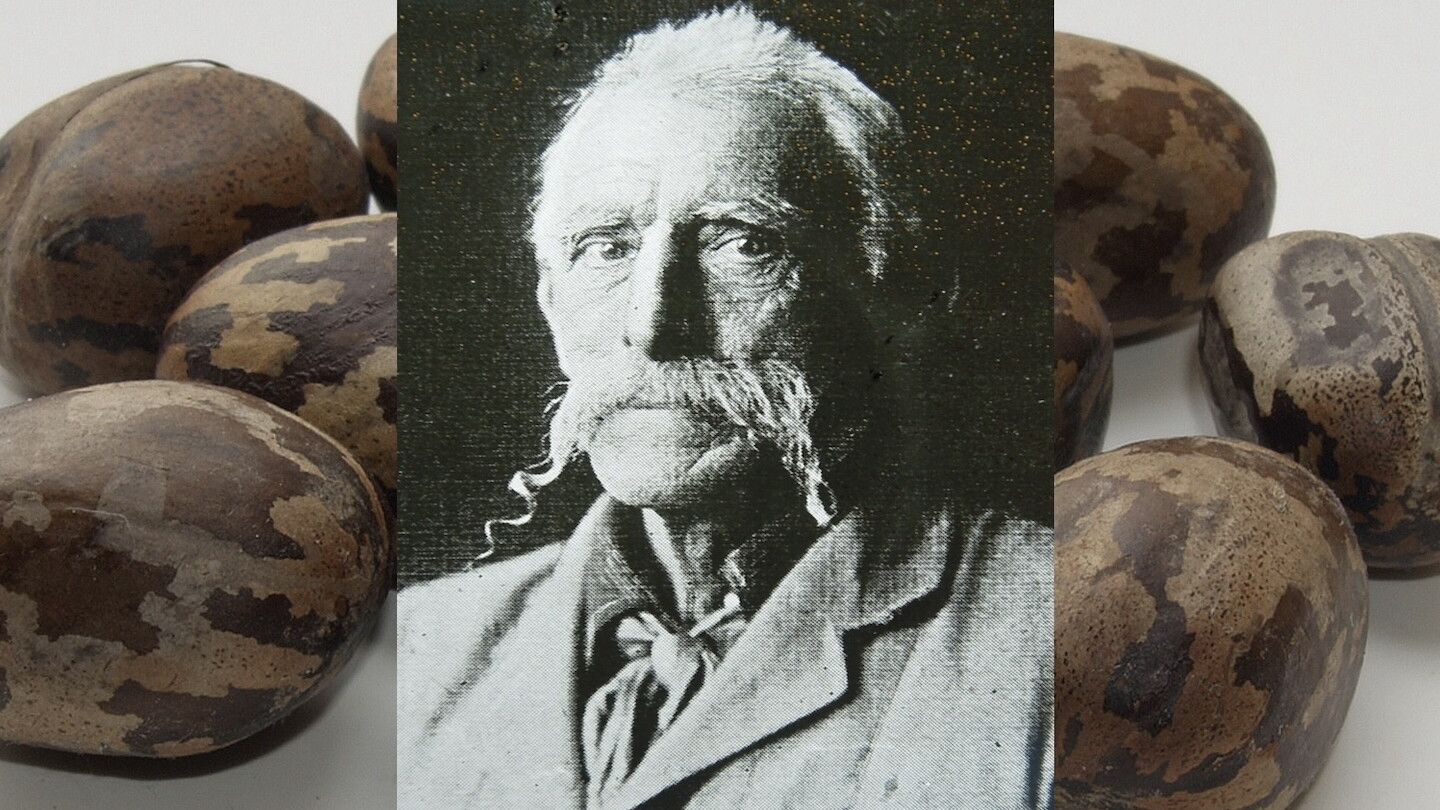
The Great Amazonian Rubber Heist: Meet Ag's Ultimate Bio-Pirate
What happened: Think modern corporate espionage is wild? Let’s take a trip back to 1876. A British adventurer named Henry Wickham pulled off the greatest agricultural heist in human history by single-handedly smuggling 70,000 rubber tree seeds out of the deep Brazilian jungle.
Why it happened: Brazil held a ruthless, multi-billion-dollar global monopoly on rubber, protecting its trees like the crown jewels. Wickham packed the seeds into a chartered steamboat under the guise of "rare botanical specimens for Queen Victoria," successfully duped the Brazilian customs officers, and sailed straight to England.
So what? Those stolen seeds were planted in British colonies across Asia, completely smashing the Amazonian rubber boom overnight and building a global empire. Today, that market is worth a cool $88 billion. So the next time you see a headline about corporate spies stealing high-tech GMO corn seed out of an Iowa field, just remember: Henry Wickham did it first, did it bare-handed in a tropical jungle, and didn’t even need a laptop.
🤡 Meme of the Day
The Stat: 11.4 years.
That’s how long it takes science to approve a new crop protection chemical.
Coincidentally, that’s also the exact amount of time it takes to safely back a triple-trailer grain hopper into a tight barn lane while your father-in-chief yells directions from your blind spot.
☕ The Sign-off
Before you head back out to the field or the shop, check your fluid levels and make sure you've got enough grease cartridges to last the afternoon.
Let's hope for some rain (but only on the days we aren't spraying).
Have a great day out there, and we'll catch you by the coffee pot tomorrow!
— The KAND Editorial Team